 Weed Razer
Hauling water past the end of the hose
August 14, 2026
Why a weed tool shop builds water bags
The same shore owners who write us about milfoil keep livestock, plant trees, and camp. Their common problem is water that needs to be somewhere the hose does not reach. So the catalog grew a second line: collapsible bladders that ride flat in a truck bed.
The idea is simple. Unroll the bag, run the hose in at the spigot, drive, drain by gravity, fold it flat. A rigid tank does the same haul but occupies the truck and half the barn all year.
Pick the size by who lifts it
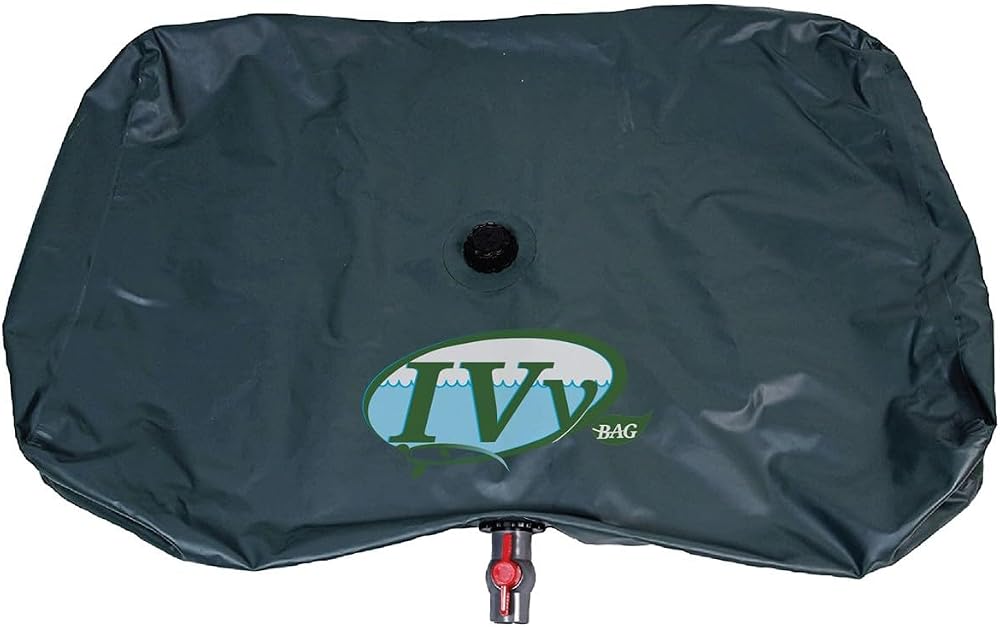
The 100 gallon Ivy Bag fills a pickup bed and waters a stock trough or a row of saplings in one trip. That much water is a serious load, so it belongs strapped in a vehicle, not carried.
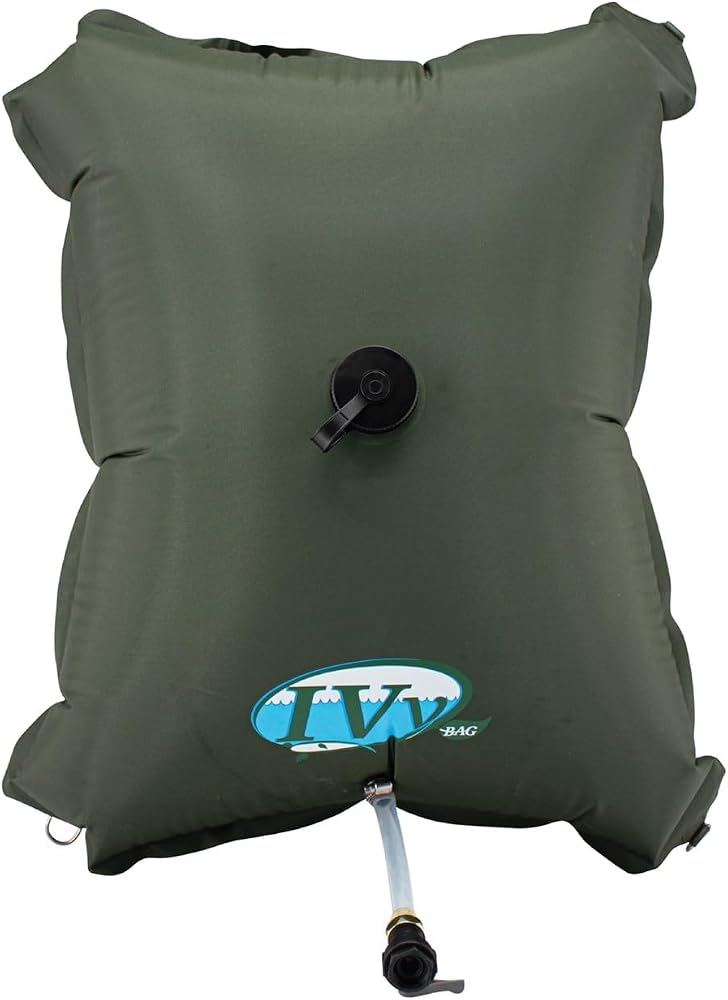
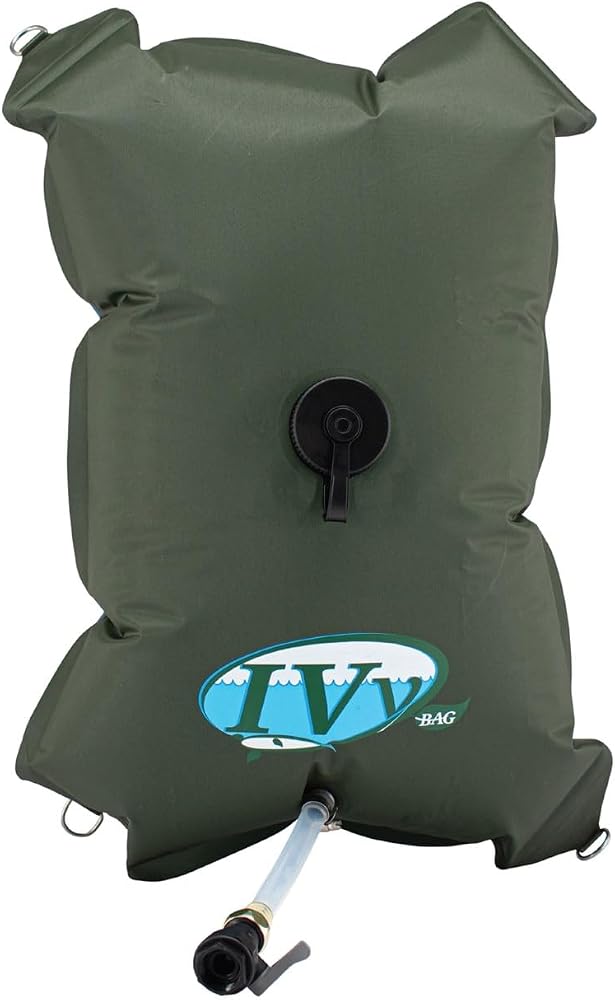
The 25 gallon size suits a camp or cabin weekend and takes two people to shift comfortably when full. The 10 gallon bag is the one pair of hands size: fill it, lift it, set it where the water is needed.
Strap it like you mean it
Water shifts. On a washboard gravel road an unsecured bladder walks across the bed and leans on your other gear. The bags carry corner D rings for exactly this, so run ratchet straps across before you pull out, even for a short haul.
Fill on level ground, leave a little slack rather than topping off drum tight, and check the cap before you drive. Ten seconds of checking beats mopping a truck bed.
Between hauls
Drain the bag fully, prop it open to dry, then roll it like a bedroll. It stores on a shelf through winter, which is the whole argument against a rigid tank on a small property.
Keep it off sharp edges and away from mice in the shed, and the coated fabric hauls for years. If a haul brought anything other than clean water, rinse before drying, since the next load may be for the garden or the camp kettle.