 Weed Razer
Why the cuttings have to come out of the water
June 20, 2026
The float is temporary
Fresh cut stalks hold air in their tissue, so the whole afternoon of cutting rises to the surface and drifts. It looks like the job is mostly done. It is about half done.
Over the next days the stalks take on water. Then they sink, right back onto the bed you cleared, and start to rot where they land.
Rot feeds the next crop
A lake weed is mostly water and nutrients pulled from the sediment. Let it decay on the bottom and those nutrients go straight back into the mud, ready for next year's growth. Years of this is how a firm sandy bottom turns into soft black muck that swallows your feet.
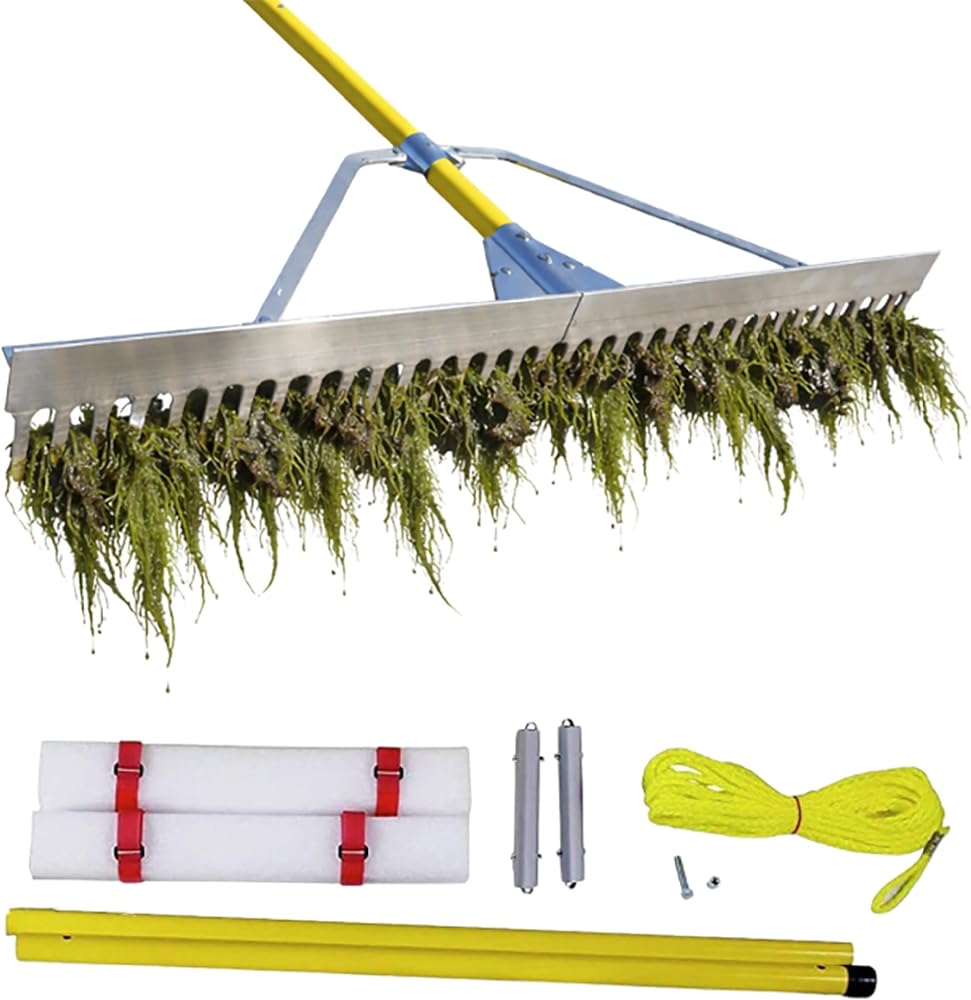
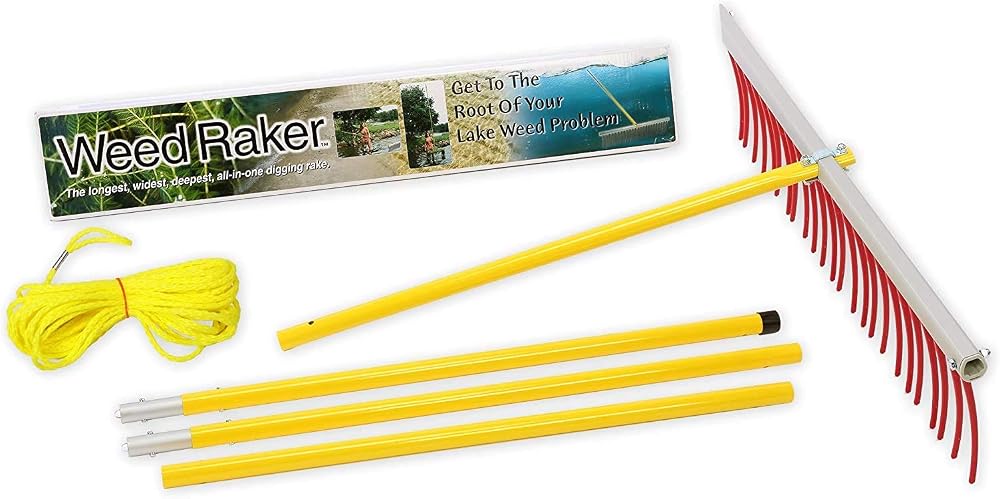
Hauling the cuttings ashore is the one step that actually removes anything from the lake. The cut only relocates the plant. The rake removes it.
The wind has plans too
A floating mat does not sit still. An afternoon breeze moves it faster than you would think, and it fetches up wherever the wind quits: your swim ladder, the boat lift, the neighbor's frontage. Nobody enjoys that conversation.
This is why we say the rake follows the cutter the same day. Cut in the morning, rake after lunch, and the water is clean by supper.
What to do with the pile
Drag the stalks up past the waterline and let them drain on the grass for a day or two. A wet pile is heavy; a dried one is a fraction of the weight and easy to move.
Dried lake weed composts well and gardeners rate it. Just site the pile far enough back that rain cannot wash it, or its runoff, straight down the bank into the water you pulled it from.