 Weed Razer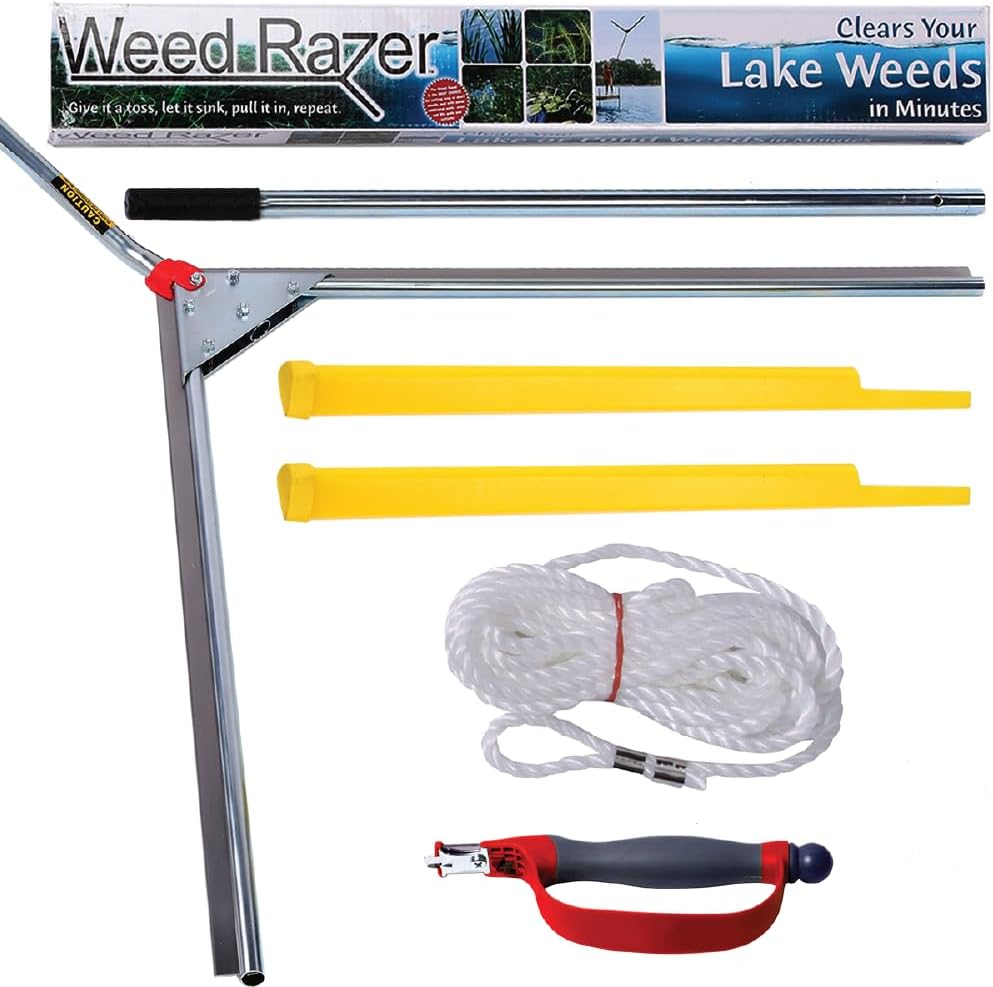
Hand tools for open water
Weed Razer lake tools built by hand
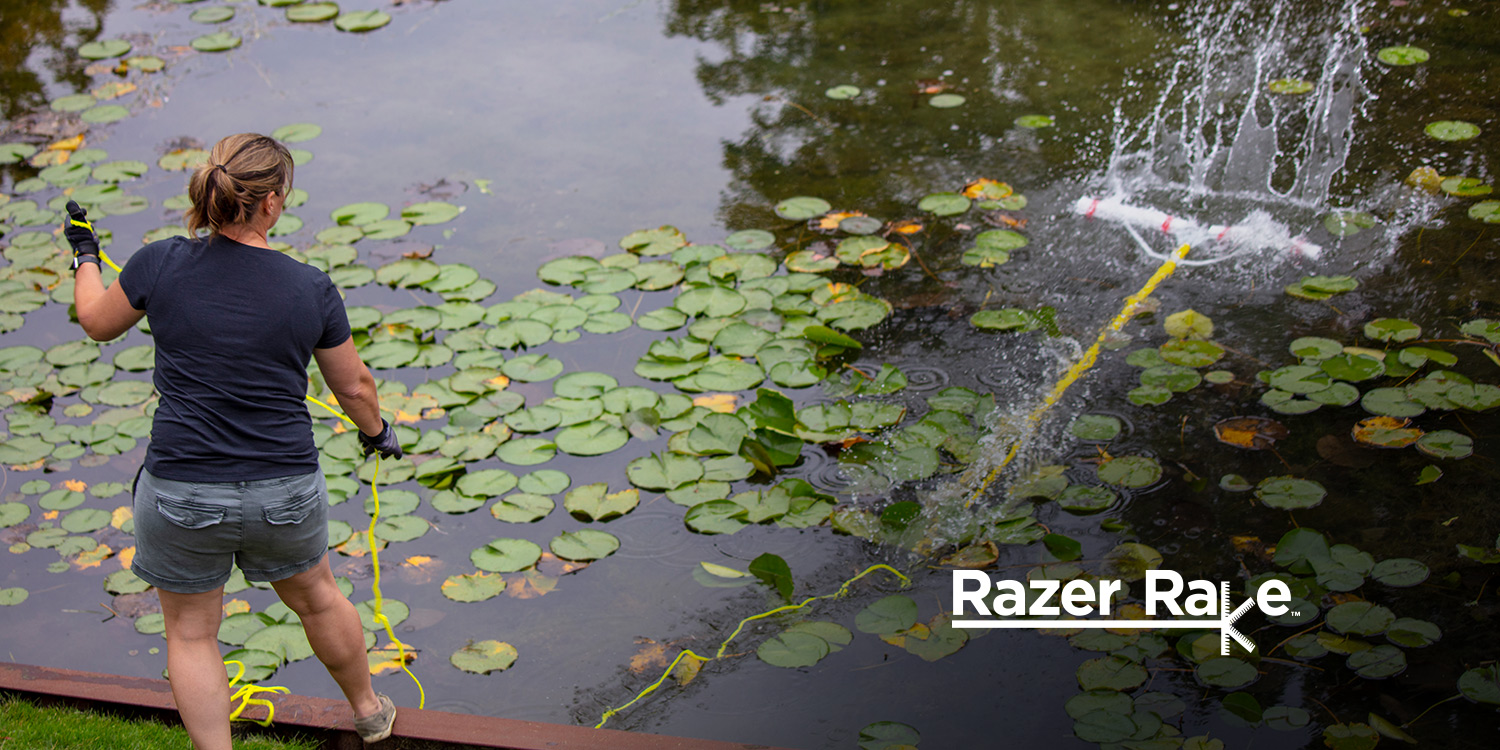
We build V shaped cutters, wide rakes, and a floating mesh skimmer for docks and shores. You throw the blade on a rope, pull it back, and open up the water.
The work runs in steps
Clearing a weed bed is a sequence. The cut is the quick part of the afternoon. Gathering the stalks and skimming what the wind brings back take up the rest of the season.
1
Cut the stalks
A thrown blade shears rooted weeds near the bottom and opens the lane. Lake weed cutters
3
Skim the drift
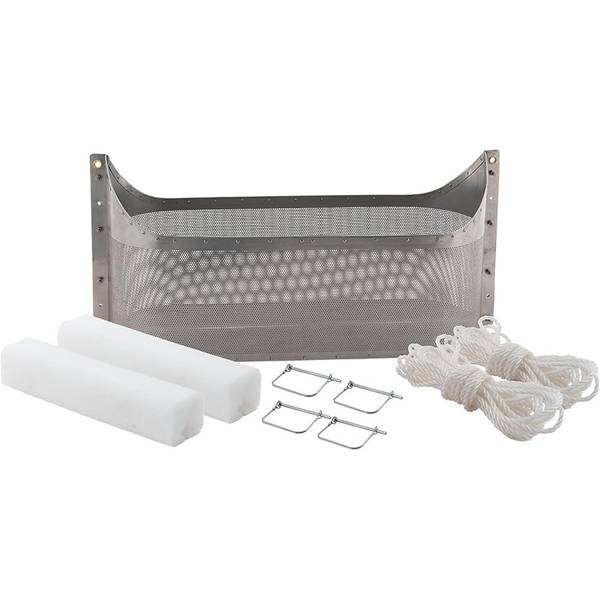
What the rake misses and the wind gathers comes out by the basketful, surface or bottom. Pond skimmers
Four lines for the work
We build four distinct lines for the shore, from the first cut to the drift that comes up after it.
Most talked about on the dock
These are the pieces shore owners write to us about most, arranged by how many people have weighed in.
Weed Razer, 48 inch cut
$169.99★ 4.6 (1,717)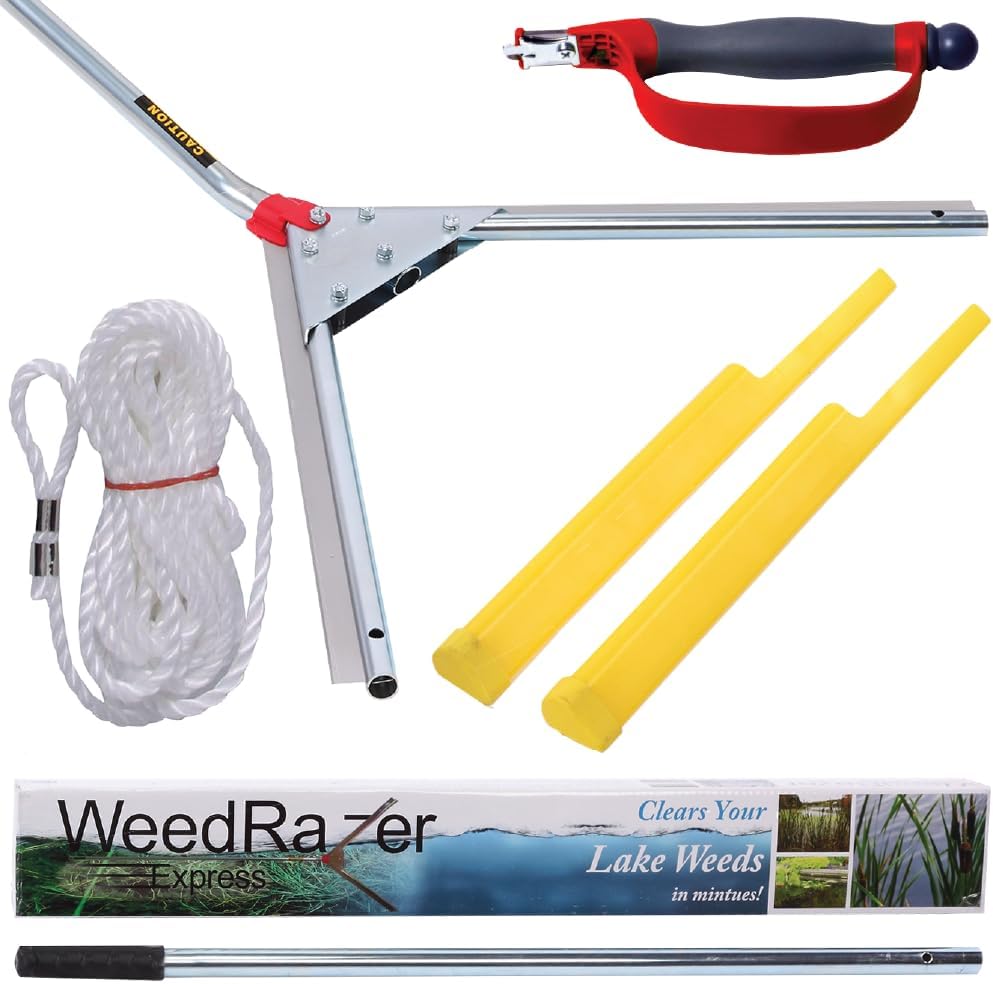
Weed Razer Express, 30 inch cut
$149.99★ 4.6 (1,321)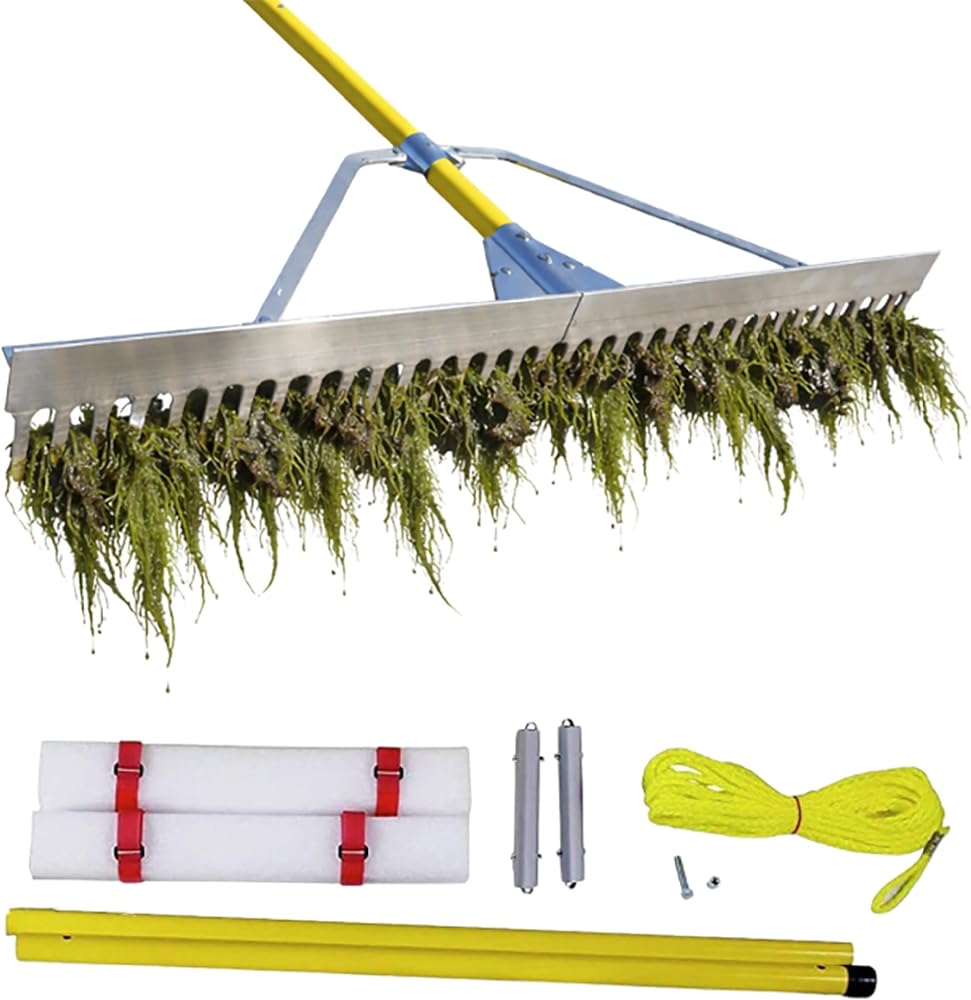
Razer Rake, collapsible 36 inch head
$129.99★ 4.4 (648)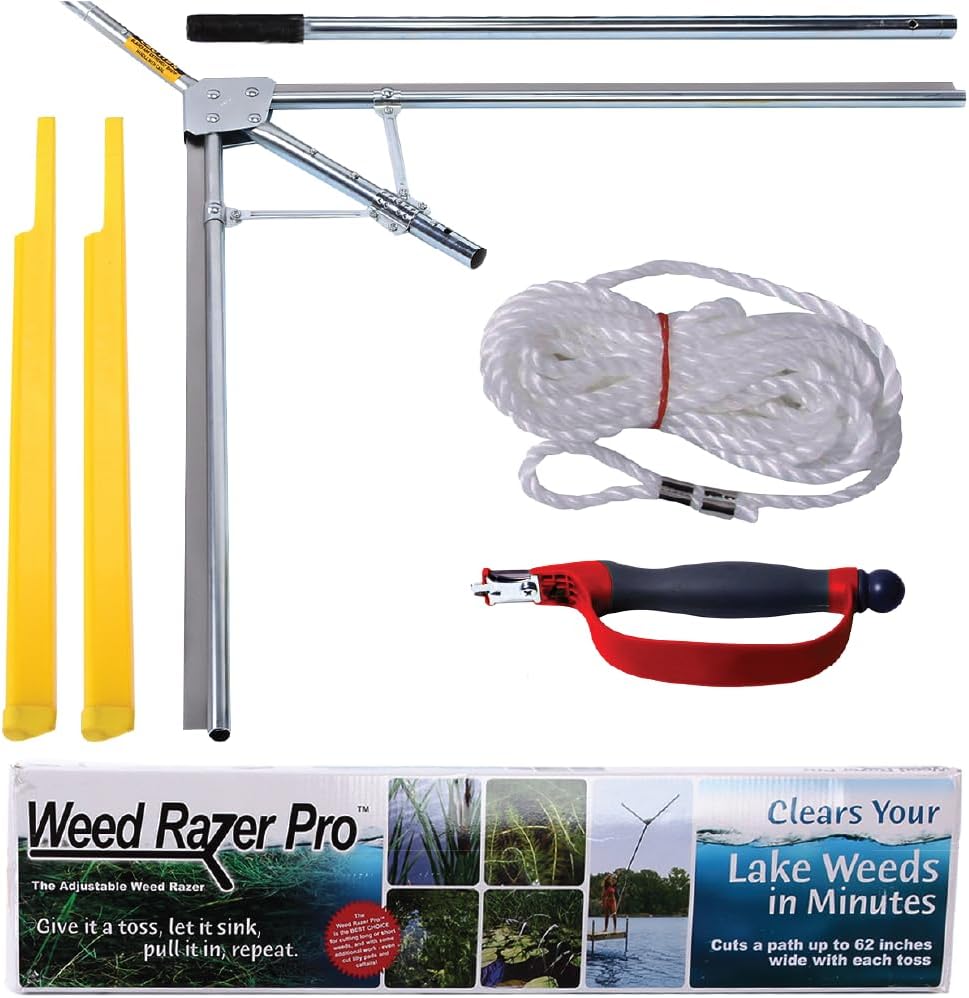
Weed Razer Pro, adjustable 30 to 62 inch cut
$219.99★ 4.4 (594)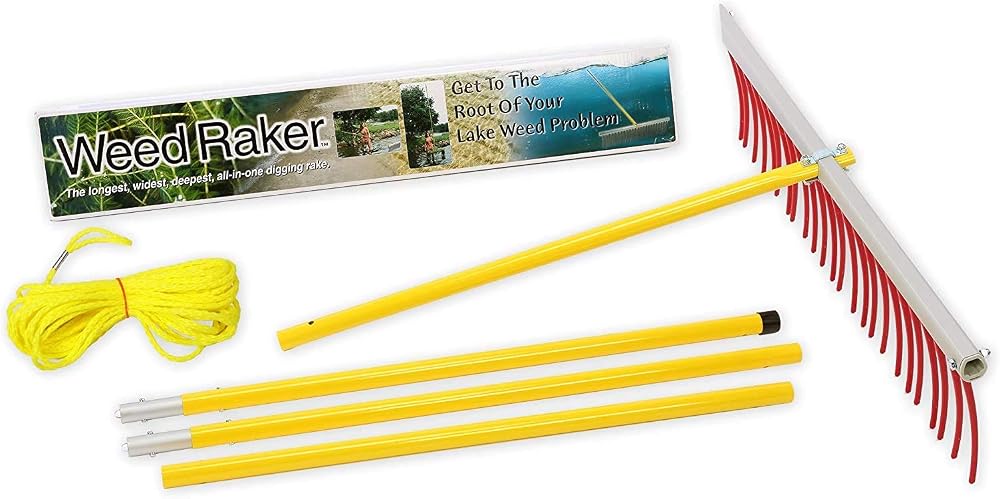
Weed Raker, 37 inch head on an 11 foot handle
$149.99★ 4.4 (378)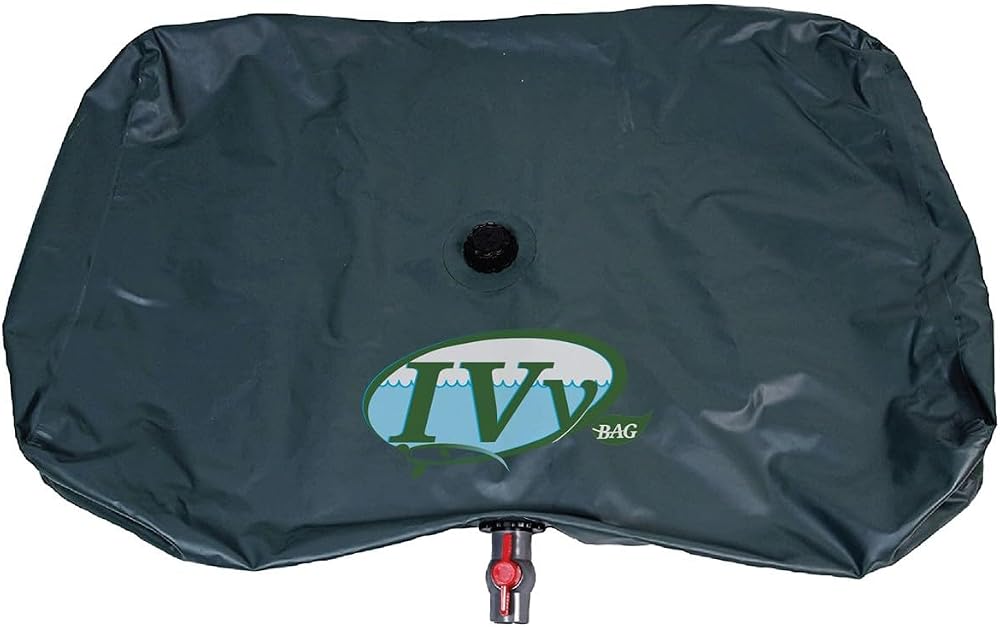
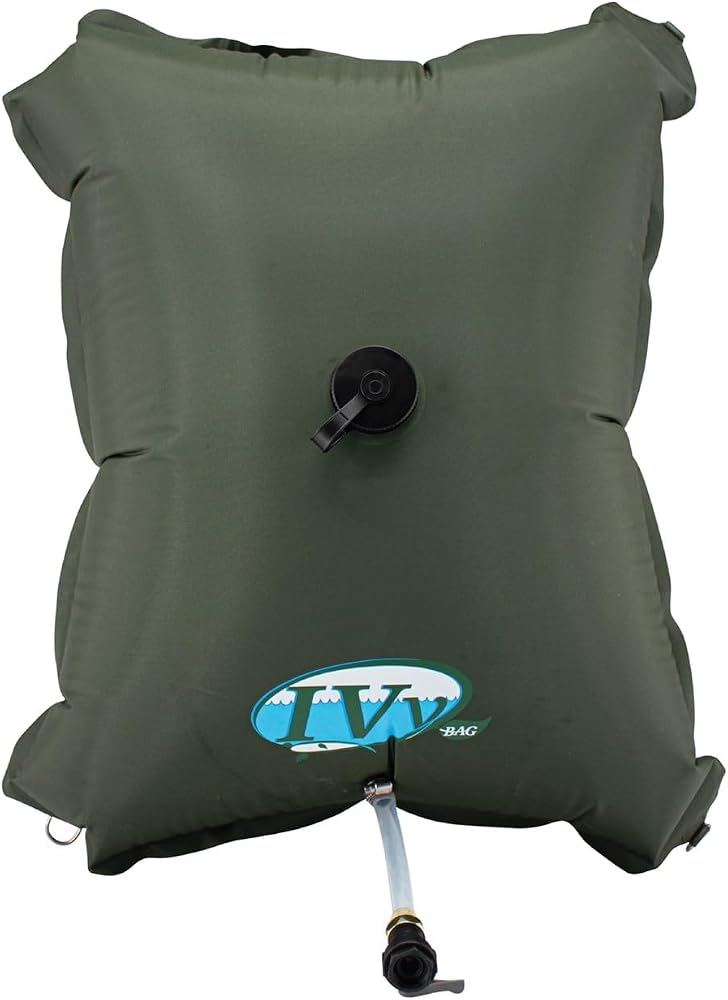
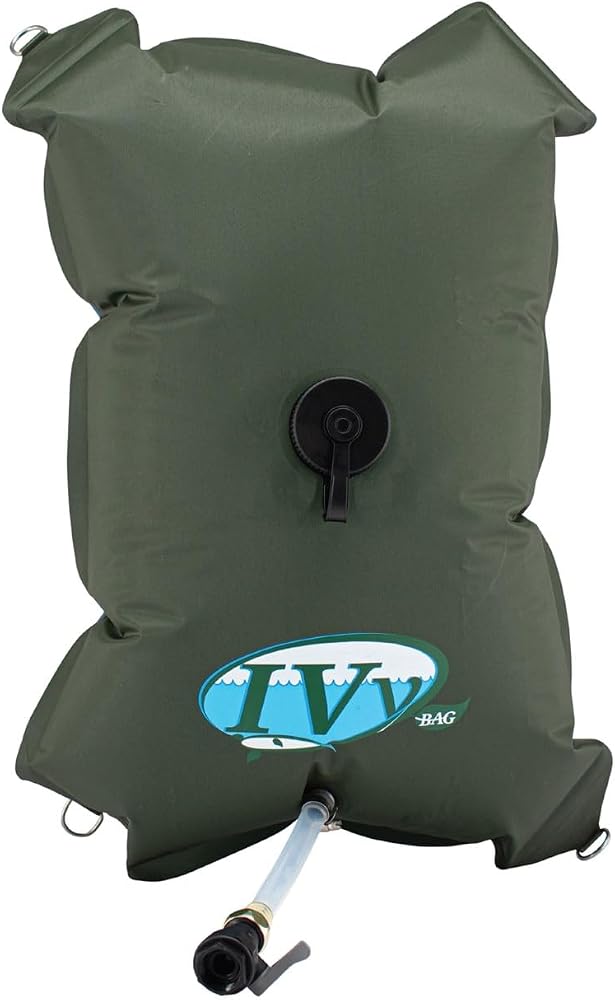
Ivy Bag, 100 gallon fluid bladder
$55.99★ 4.2 (85)Not sure which line
Match the tool to the growth
Tell us what you see off the dock. The weed decides the blade, the rake, and the work ahead.
Find your weedThe first cut
Start with the blade
Most shorelines start here: a V cutter on a rope, thrown from the dock, pulled back through the stalks. Three widths cover tight slips to open beds.
Lake weed cuttersBefore you order
What these blades do not do
Our blades shear rooted stalks near the bottom, like milfoil, cattails, and lily pads. Duckweed has nothing to cut, and algae is not a plant a blade can meet. A floating mat takes a rake riding on its floats, while green water is a different problem we do not sell an answer for.
The straight talk on duckweed and algaeIn the box and on you
We pack the steel and the line. You bring the muscle and the shore space.
In the box
- The heavy throw rope for the haul
- Protective covers for the sharp edges
- Weed deflectors for the wider cutters
- A hand sharpener to touch up the edges
Still on you
- A rake to gather what floats up
- A shoreline spot to pile the wet stalks
- A pair of work gloves for the wet rope
- A second pass when stalks return midsummer
9tools and bags in the line
4.8k+owners have weighed in on the listings
4steps of the work, cut to carry
4.6the highest owner rating on the shelf
Notes from the dock
We wrote down the answers to the questions neighbors ask across the water every summer.
The sequence
All the notes from the dockCut, rake, skim: the order of the work
Clearing a weed bed is a sequence, not a single tool. Here is the order we work in and where each of our lines fits.
May 18, 2026IdentificationName the weed before you pick the tool
Milfoil, cattails, lily pads, duckweed, and algae each call for different handling. A five minute look off the dock settles the question.
June 2, 2026After the cutWhy the cuttings have to come out of the water
Cut weeds that stay in the water sink, rot, and feed next season's growth. The rake is not optional, and here is why.
June 20, 2026The bottom layerRoots, muck, and the work under the weeds
Cutting handles the stalks. The roots and the soft black layer they grow from are a separate matter, and here is what a hand tool can and cannot do about it.
July 8, 2026The shape of the lake season
Young stalks cut early in the summer come out easier. A second cut is common midsummer where growth is fast. We run a sharpener along the edges between trips, then rinse and dry the metal before it goes in the shed.
Check local lake rules first
Rules on pulling vegetation differ from state to state and often from lake to lake. Some places want a word with the local office before the first cut. We put together a note on where to ask.
Who to ask, and about whatHauling water past the hose
A shop that builds weed cutters also builds collapsible bladders because work runs past the end of the hose. One bag hauls water for livestock and dry plantings. Smaller bags carry drinking water for a camp or an RV, then fold flat for the shelf.
How we build tools
We build for blade and tooth rather than spraying anything into the water. These tools are made to be thrown, dragged, and hauled back for years. We would rather state what a tool cannot do than see the wrong piece leave the shop.
Choosing the right tool for your shoreline
Name what is growing in the water before looking at tools. Lake weeds dictate the blade, and the cut dictates how much raking comes next. Stiff stalks need a wide edge, while loose mats need teeth on floats.
A person opening a narrow swim lane off a dock needs a cutter and a rake. A person facing a long waterfront where every wind piles drift against the bank needs a basket that lifts it out by the armload. Start where the water meets the shore.
| The line | What it does | On the shelf |
|---|---|---|
| Lake weed cutters | A thrown blade shears rooted weeds near the bottom and opens the lane. | 3 tools |
| Lake rakes | Everything you cut floats. | 2 tools |
| Pond skimmers | What the rake misses and the wind gathers comes out by the basketful, surface or bottom. | 1 tool |
| Water bags | The other line: bladders that carry water past the end of the hose. | 3 tools |
Where to begin
Look down from the dock and identify the plant. Once you know if it roots in the bottom or floats on top, the right tool is obvious.
If your cut weeds returned within a month, the crowns are still down in the bottom and no hand tool reaches them. What you can do is lift every cut stalk out the same day, so the pile does not waterlog and settle back into the layer it grew from.
Open up your shore
Walk the weed beds or read through the notes to find the right tool for your water.